Tearing down old bridges is often slow, dangerous, and disruptive. These outdated methods can cause massive budget overruns and clog up our cities. But new technology is changing the game.
The fastest, safest, and greenest way is to use a Hydraulic Jack-Up System[^1] combined with Self-Propelled Modular Transporters (SPMTs)[^2]. This method lifts the entire bridge section, moves it away, and lowers it for demolition, eliminating the need for risky, time-consuming on-site work and scaffolding.
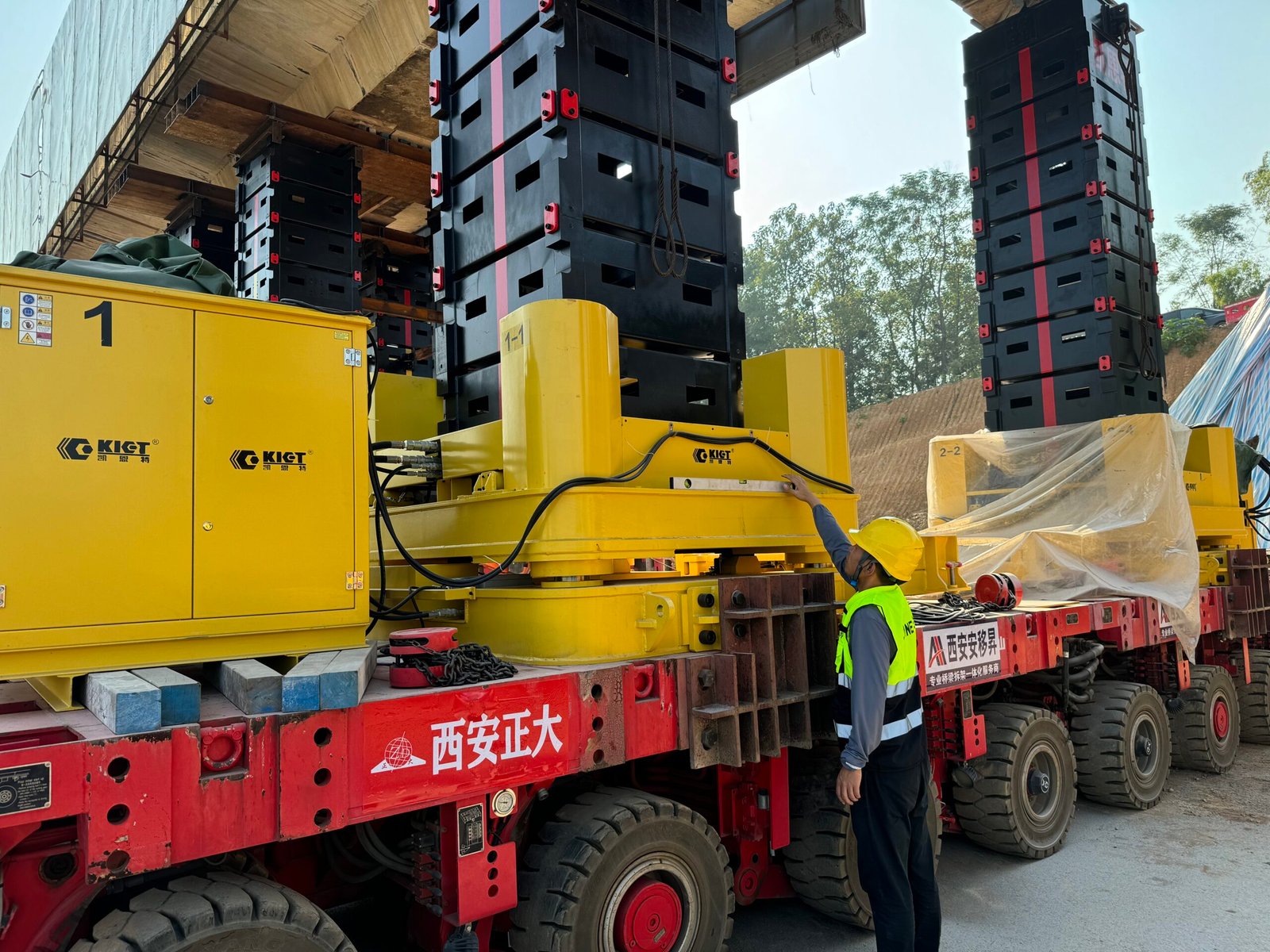
This new method is a big leap forward. For over 30 years, my family's company, KIET, has been at the forefront of heavy lifting[^3]. I’ve seen firsthand how the right technology can transform a project from a logistical nightmare[^4] into a smooth, controlled operation[^5]. We believe in building solutions with heart, and that means finding better ways to do difficult jobs. Now, let’s explore how these technologies work together to create a new standard for bridge demolition.
What Makes The Hydraulic Jack-Up and SPMT Method Better Than Traditional Scaffolding?
Traditional bridge demolition is a headache. It means building massive support structures, a slow and costly process. What if you could skip that step entirely, saving time and money?
This new method is superior because it eliminates the need for extensive scaffolding like Bailey frames[^6]. The Hydraulic Jack-Up System[^1] supports the bridge's full weight, and SPMTs provide mobility, making the process faster, more flexible, and significantly safer than traditional build-and-demolish approaches.
[^7] and the modern SPMT method](https://kiethydrosync.com/wp-content/uploads/2025/09/4-scaled.jpg "Modern Bridge Demolition vs. Traditional Methods")
Let's dive deeper into this comparison. At KIET, we focus on millimeter-level precision[^8] and absolute safety. I remember a project where a client was facing months of road closures to set up traditional scaffolding[^7]. The old way of doing things isn't just slow; it introduces countless variables and risks. We proposed the integrated Jack-Up and SPMT solution. The difference is night and day. We can precisely control every movement with our PLC synchronous systems[^9], turning a chaotic work site into a controlled, factory-like environment. This isn't just an improvement; it's a complete change in philosophy from brute force to intelligent force.
The Old Way vs. The New Way
| Feature | Traditional Method (e.g., Bailey Frames) | Modern Method (Hydraulic Jack-Up & SPMT) |
|---|---|---|
| Support Structure | Requires extensive, custom-built scaffolding. | Self-contained; system provides its own support. |
| Time | Weeks or months for setup and teardown. | Hours or days for setup and operation. |
| Safety | High risk from working at height, complex assembly. | Minimal on-site assembly; operations are remote-controlled. |
| Cost | High labor, material, and rental costs. | Lower labor costs, no secondary crane needed. |
| Flexibility | Rigid and immobile once built. | Highly mobile, can rotate and move sections easily. |
| Environmental Impact | More on-site disruption, waste, and noise. | Less disruption, reduced carbon footprint. |
How Do You Lift and Move an Entire Bridge Section Without a Crane?
Lifting a bridge section weighing thousands of tons sounds impossible without a giant crane. Cranes are expensive, need a huge footprint, and have lifting height limits. What if there's a smarter way?
You use a Hydraulic Jack-Up System[^1] to lift the bridge section vertically, right in its place. Then, you drive SPMTs underneath. The Jack-Up system lowers the bridge onto the SPMTs, which can then transport the entire section smoothly to a designated area for demolition.
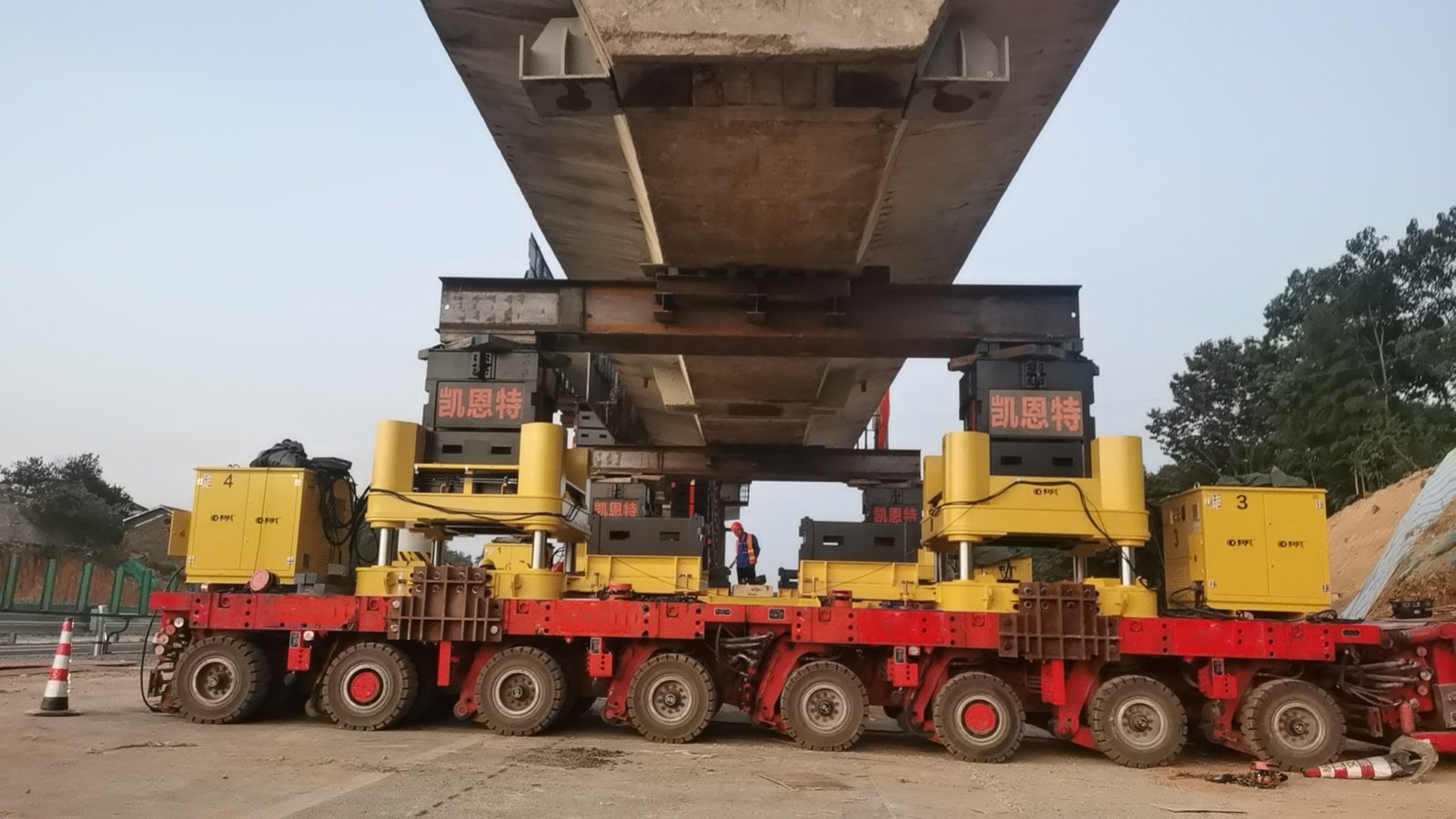
This process is where our expertise at KIET really shines. "Produce by Heart, Serve the World" isn't just our slogan; it's our promise. The lifting part is handled by our high-tonnage hydraulic cylinders, all synchronized by a PLC system. This means we can lift a massive, unevenly weighted structure without creating any internal stress. It rises perfectly level, down to the millimeter. Then, the SPMTs, which are like giant, remote-controlled Lego blocks on wheels, position themselves underneath. The bridge section is then gently lowered onto the transporters. This transition from vertical lift to horizontal movement is seamless. It’s a carefully choreographed dance of immense power and delicate control, and it completely removes the need for secondary (hoisting operations), a major cost and safety concern in old methods.
Key Stages of Crane-Free Removal
-
Positioning the System: First, we place our Hydraulic Jack-Up towers at strategic points under the bridge section. These towers are the foundation of the lift.
-
Lifting the Bridge: Using our PLC synchronous control system, we extend the hydraulic cylinders in perfect unison. The bridge section lifts off its piers cleanly and without any torsion.
-
Introducing the SPMTs: Once the section is lifted high enough, the Self-Propelled Modular Transporters are driven into position directly underneath the raised load.
-
Transferring the Load: The hydraulic system then gently lowers the bridge section, transferring its immense weight onto the SPMT platform.
-
Transportation: The SPMTs, now carrying the bridge section, can drive it away to a safer, more convenient location for demolition. This can even include a dynamic rotation to navigate tight spaces.
Why Is This Method Greener and More Cost-Effective?
Every project manager wants to reduce costs and meet environmental goals. Demolition projects are often messy, expensive, and have a large carbon footprint. Is it possible to be both economical and green?
This method is greener because it drastically reduces on-site time, noise, and disruption. It is more cost-effective because it eliminates the need for expensive scaffolding and secondary crane rentals, cutting down on both material and labor costs and shortening the overall project timeline.
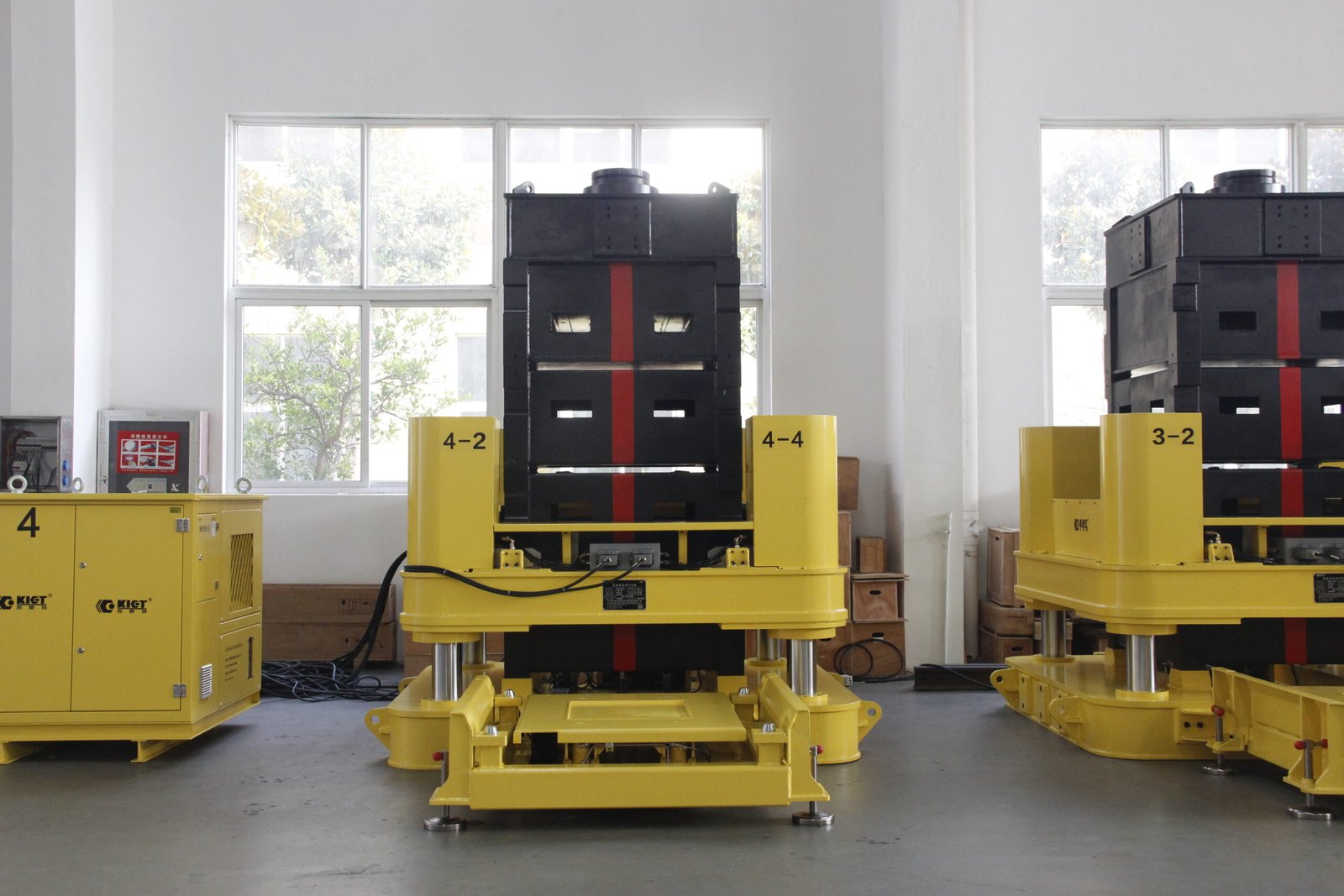
As a third-generation business owner, I value long-term sustainability. The green benefits here are very real. By moving the demolition work away from the river or roadway, we prevent debris and pollutants from contaminating the environment. The process is also much faster, which means fewer days of traffic disruption[^10] and lower emissions from idling vehicles and on-site machinery. From a cost perspective, the savings are clear. I've worked on proposals where our Jack-Up and SPMT solution cut the projected budget by over 30%. These savings come from eliminating the rental and labor for Bailey frames[^6] and the huge cost of mobilizing and operating a heavy-lift crane for a second time. This efficiency is why industry leaders like SANY and Balfour Beatty trust us. We don't just sell equipment; we deliver a smarter financial and environmental outcome.
Breakdown of Savings
- Reduced Material Costs: No need to purchase or rent tons of steel for scaffolding.
- Lower Labor Costs: Requires a smaller, more specialized crew instead of large teams for scaffold assembly.
- Shorter Project Timeline: Faster execution means fewer billable days and earlier project completion.
- No Secondary Crane Fees: Eliminates the high cost of a second major crane lift for lowering the section.
- Fewer Environmental Fines: Reduces the risk of penalties related to site contamination and noise.
Conclusion
In short, combining Hydraulic Jack-Up System[^1]s and SPMTs is the future of bridge demolition. It's a faster, safer, greener, and more economical solution for our aging infrastructure.
[1]: Explore this link to understand the innovative technology behind the Hydraulic Jack-Up System and its applications in bridge demolition. [2]: Learn about SPMTs and how they revolutionize transportation in heavy lifting and bridge demolition. [3]: Stay updated on the latest advancements in heavy lifting technology and their applications. [4]: Understand the logistical challenges faced in construction and how to overcome them. [5]: Learn about the importance of controlled operations in ensuring safety and efficiency in construction. [6]: Find out more about Bailey frames and their role in traditional bridge demolition methods. [7]: Discover the challenges and risks associated with traditional scaffolding methods in construction projects. [8]: Understand the significance of precision in construction and how it impacts safety and efficiency. [9]: Explore the technology behind PLC synchronous systems and their applications in heavy lifting. [10]: Explore methods to reduce traffic disruption during construction and demolition activities.